

Surrogacy constitutes one of the most advanced and promising solutions in contemporary reproductive medicine. Nevertheless, as with any intricate medical process, challenges may arise. Among the most disheartening for intended parents is experiencing recurrent implantation failure or the necessity to repeat IVF cycles without achieving the desired pregnancy.
Gaining a clear understanding of why recurrent implantation occurs can alleviate anxiety, facilitate informed decision-making, and substantially improve success rates. This article provides an in-depth analysis of the causes of repeated implantation, its relevance in the context of surrogacy, and, crucially, strategies to prevent it through meticulous medical planning and tailored treatment protocols.
At Gestlife, our clinical experience demonstrates that well-structured programmes are designed specifically to minimise such risks, optimising every stage of the process and reducing unnecessary repetitions.
Defining recurrent implantation and its underlying causes
Recurrent implantation failure (RIF) refers to the situation in which multiple attempts at embryo transfer do not result in a successful pregnancy. Medically, RIF is often defined as the absence of pregnancy after the transfer of good-quality embryos on several occasions.
Within surrogacy, this scenario can appear particularly perplexing, as surrogate mothers are typically selected for their favourable reproductive history. Despite this, numerous factors may impede implantation:
- Embryo quality: Even morphologically ideal embryos may not be genetically viable. Chromosomal abnormalities remain a primary cause of implantation failure, preventing otherwise healthy embryos from developing successfully.
- Endometrial synchronisation: For implantation to succeed, the endometrium must be receptive at the precise moment of embryo transfer. Even minor timing discrepancies can hinder implantation.
- Immunological and coagulation factors: Certain immune responses or coagulation disorders may adversely affect the endometrium’s vascularisation and receptivity.
Frequently, repeated IVF cycles occur because initial assessments were incomplete, or protocols were not adjusted following unsuccessful attempts. Hence, a personalised and evidence-based approach is indispensable.
Surrogacy as a solution to recurrent implantation
Surrogacy frequently provides a solution for intended parents unable to achieve implantation due to uterine issues, medical conditions, or prior treatment failures.
A key advantage lies in selecting a surrogate with optimal reproductive conditions: a healthy uterus, a history of successful pregnancies, and no significant medical concerns. This significantly diminishes the risk of repeated implantation failure.
Nonetheless, surrogacy cannot eliminate all potential complications. If the underlying issue lies with the embryo or genetic factors, changing the uterus alone will not suffice. Advanced programmes, therefore, employ preimplantation genetic testing (PGT) to ensure embryos are chromosomally normal and more likely to implant successfully.
Modern surrogacy protocols also focus on endometrial receptivity, incorporating precise hormonal monitoring, personalised preparation of the endometrium, and careful timing of embryo transfer. In selected cases, immunological and haematological evaluations are conducted to further reduce the likelihood of repeated IVF failures.
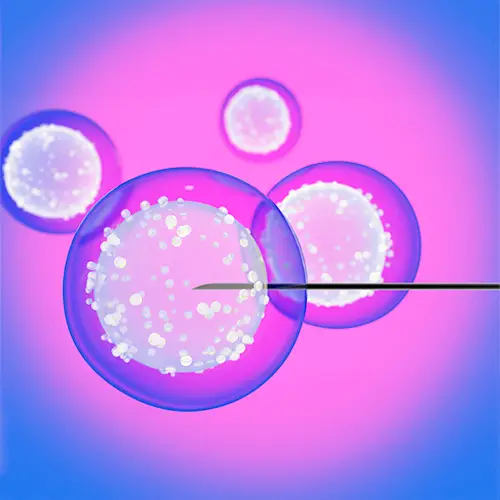
Medical and technical factors leading to repeated IVF Attempts
Undergoing repeated IVF cycles can be emotionally taxing, but most cases have identifiable medical explanations. Recognising these factors is crucial for preventing cycles without strategic modifications:
- Incomplete diagnostics: Treatment without a thorough assessment of egg quality, sperm status, embryonic genetics, and endometrial readiness may lead to failure.
- Maternal age: Advanced maternal age affects egg quality and increases chromosomal abnormalities, elevating the risk of recurrent implantation failure.
- Laboratory standards: The IVF laboratory’s technology, embryology expertise, and culture conditions directly influence embryo development.
- Ovarian stimulation protocols: Suboptimal stimulation can compromise egg quality, affecting embryo viability.
In high-quality surrogacy programmes, these variables are controlled from the outset. Detailed investigations inform personalised protocols, greatly reducing the need for repeated IVF cycles.
Effective strategies to prevent recurrent implantation in Surrogacy
Preventing repeated implantation is achievable through a comprehensive, evidence-based approach:
- Comprehensive diagnostics: Prior to treatment, evaluations should include genetic testing, hormonal assessments, immune system studies, and endometrial receptivity testing when appropriate.
- Genetically screened embryos: Preimplantation genetic diagnosis increases the likelihood of selecting embryos with optimal implantation potential.
- Rigorous surrogate selection: Surrogates with proven reproductive histories provide the most favourable uterine environment.
- Medical coordination and monitoring: Ensuring synchrony between embryo readiness and endometrial receptivity is vital, requiring continuous observation and real-time protocol adjustments.
- Analysis of previous attempts: Each unsuccessful cycle yields insights to optimise subsequent procedures.
Gestlife’s protocols are specifically designed to maximise success from the first attempt through careful selection, personalised treatment plans, and meticulous follow-up, significantly reducing the likelihood of repeated implantation. This approach not only improves clinical outcomes but also instils confidence in intended parents.
Conclusion
Surrogacy has transformed family building for countless individuals, yet success relies not only on advanced technology but also on its precise application. Recurrent implantation and repeated IVF attempts are not inevitable; they often stem from factors that can be identified and addressed with a strategic, personalised approach.
The essential components for success are personalised protocols, comprehensive diagnostics, and guidance from experienced professionals. Programmes like Gestlife’s demonstrate that, with rigorous planning and execution, the risk of repeated implantation can be minimised, and the probability of a successful pregnancy maximised.
Understanding the process, trusting specialists, and making informed decisions are critical for avoiding unnecessary setbacks and progressing confidently towards the ultimate goal: a successful surrogacy journey.
Frequently Asked Questions about recurrent implantation and Surrogacy
- How many IVF attempts constitute repeated implantation?
Typically, it is defined as two or three transfers of good-quality embryos without achieving pregnancy. - Does surrogacy guarantee pregnancy on the first attempt?
While no process guarantees success, surrogacy significantly improves chances by utilising a carefully selected surrogate. - Should genetic testing be performed before embryo transfer?
Yes, preimplantation genetic testing is among the most effective methods to reduce implantation failure. - Why is endometrial receptivity crucial?
The endometrium must be at the optimal stage to support proper embryo implantation. - Can repeated IVF cycles be avoided?
Often, yes. A personalised, comprehensive approach from the outset can prevent unnecessary repetition. - Does maternal age impact repeated implantation?
Yes. Age influences egg quality, which can affect embryo viability. - What differentiates a high-quality surrogacy programme?
Personalised care, experienced clinical teams, advanced technology, and the ability to minimise repeated IVF procedures are key indicators.