

When embarking on a surrogacy journey, the health and well-being of the surrogate are paramount. The medical exam is the cornerstone of this process, ensuring that the prospective carrier meets the rigorous health requirements necessary for a safe and successful pregnancy.
Core requirements in surrogate screening
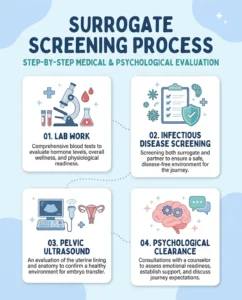
According to guidelines set forth by the American Society for Reproductive Medicine (ASRM), the screening of a gestational carrier must be exhaustive.
The physical and gynecological assessment
The initial phase of the medical exam involves a comprehensive pelvic exam and a saline infusion sonohysterogram (SIS) or hysteroscopy to ensure the uterine cavity is optimal for embryo implantation.
Comprehensive lab work
Blood and urine tests are mandatory. These check for infectious diseases, drug use, and overall organ function. For a deep dive into the specific clinical tests required in our screening process, we highly recommend reading our detailed article on medical tests for the selection of the surrogate.
Mental health: The psychological evaluation
A healthy body must be paired with a healthy mind. The psychological clearance is a vital part of the overall medical exam. It ensures the surrogate understands the emotional complexities of the journey and has a stable environment.
Investing in safety and success
The extensive nature of these medical protocols directly reflects the quality and safety of the surrogacy program. Thorough screenings mitigate risks, protecting both the surrogate and the intended parents. To understand how these vital medical steps factor into the overall financial structure of your journey, please review our comprehensive guide on the price of surrogacy.
A stringent medical exam is not just a hurdle; it is a protective measure. By adhering to the highest medical standards, we ensure that every surrogacy journey begins on the safest possible footing.