
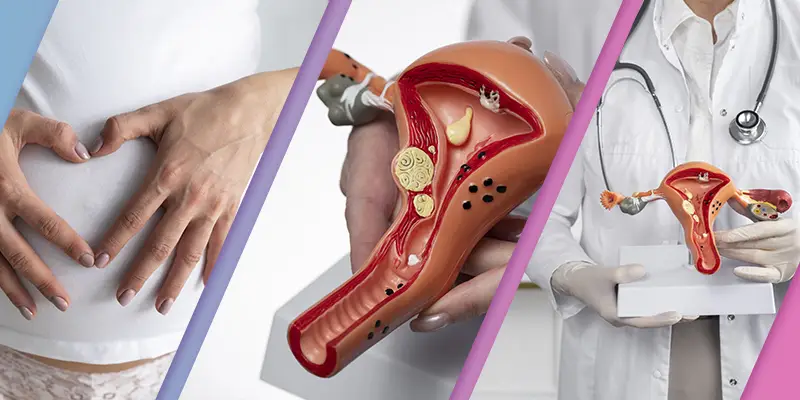
When an individual or couple begins exploring fertility pathways, one of the most pivotal —yet frequently misunderstood— concepts is the endometrium. This seemingly modest lining is, in reality, the biological setting in which one of the most intricate processes in human reproduction unfolds: embryo implantation. Within the framework of gestational surrogacy, its importance becomes even more pronounced, as the outcome of treatment depends substantially on the precise preparation of the surrogate’s uterus.
A refined understanding of how the endometrium functions, what defines the implantation window, and why synchronisation between embryo and uterine environment is essential can significantly influence outcomes. These are not abstract scientific notions but practical determinants of success or failure in assisted reproduction.
This article offers a structured and sophisticated explanation of these interconnected elements, with particular attention to their role in surrogacy arrangements. It is intended to provide clarity without oversimplification, enabling prospective parents to engage more confidently with the process.
The biological significance of the endometrium in embryo implantation
The endometrium is the innermost lining of the uterus, and its principal function is to create a hospitable environment for embryo implantation. Across the menstrual cycle, it undergoes carefully regulated morphological and biochemical transformations that render it receptive for a limited period.
In a natural cycle, oestrogen stimulates the proliferation and thickening of the endometrium. Following ovulation, progesterone induces a transition into a secretory phase, during which the tissue becomes enriched with nutrients and structurally primed for implantation. However, this receptive state is transient and highly regulated.
In surrogacy, this physiological sequence is not left to chance. Instead, it is meticulously controlled באמצעות hormonal protocols. The surrogate does not rely on her spontaneous cycle; rather, clinicians administer exogenous hormones to replicate optimal conditions. This enables precise alignment between endometrial development and the developmental stage of the embryo, most commonly at the blastocyst phase.
Endometrial thickness is one of the most closely monitored indicators. While no absolute threshold guarantees success, a well-developed, trilaminar endometrium is widely associated with improved implantation rates. Nevertheless, thickness alone is insufficient; structural integrity, vascularisation and molecular receptivity are equally critical.
Additional factors, including uterine blood flow, the presence of adhesion molecules, and the absence of intrauterine abnormalities, also influence the capacity of the endometrium to support implantation. For this reason, surrogacy programmes incorporate comprehensive screening protocols to ensure that the surrogate meets stringent clinical criteria.
Preparation of the endometrium in surrogacy typically involves sequential administration of oestrogen followed by progesterone. This approach replicates the luteal phase and facilitates the creation of a controlled implantation window. Precision at this stage is essential, as even minor deviations may compromise the outcome.
Understanding the implantation window and its clinical relevance
The implantation window refers to the finite interval during which the endometrium achieves optimal receptivity. In a natural menstrual cycle, this typically occurs between days 19 and 21, although interindividual variation is well recognised.
During this phase, the endometrium undergoes molecular adaptations, including the expression of specific genes and proteins that enable embryo adhesion. It is, in essence, a highly coordinated biological dialogue between embryo and uterus, requiring exact temporal alignment.
Should the embryo arrive outside this window —either prematurely or belatedly— the likelihood of successful implantation diminishes significantly. Timing, therefore, is not merely important; it is fundamental.
Within surrogacy, the implantation window is not estimated but deliberately orchestrated. The administration of progesterone defines the onset of endometrial receptivity, and the duration of exposure prior to embryo transfer is calibrated according to embryonic development. For instance, a blastocyst is generally transferred following five days of progesterone supplementation.
A notable advancement in reproductive medicine is the ability to individualise the implantation window. Diagnostic tools now exist to evaluate endometrial gene expression and determine whether receptivity aligns with standard expectations or deviates from them. This is particularly valuable in cases involving recurrent implantation failure.
The significance of the implantation window lies in its narrow temporal scope. A high-quality embryo and an apparently suitable endometrium are not sufficient in isolation; synchrony between the two is indispensable. This principle is especially critical in surrogacy, where laboratory precision and clinical timing must operate in seamless coordination.
External influences —including physiological stress, underlying medical conditions, and hormonal fluctuations— may alter the timing of this window. Consequently, clinical protocols are designed to minimise variability and preserve optimal conditions.
Embryo–endometrium synchronisation in surrogacy treatments
Synchronisation represents one of the most decisive elements in the success of surrogacy. It refers to the precise temporal alignment between embryo development and endometrial receptivity.
In practical terms, the embryo must be transferred at the exact moment the endometrium is biologically prepared to receive it. Achieving this requires meticulous coordination among multidisciplinary teams, including fertility specialists and embryologists.
In surrogacy arrangements, synchronisation is achieved through carefully structured hormonal regimens. The surrogate receives oestrogen to promote endometrial growth, followed by progesterone to induce the receptive phase. Concurrently, the embryo —typically cryopreserved— is thawed and prepared for transfer in accordance with this timeline.
One of the most technically demanding aspects is the accurate calibration of progesterone exposure. Even a discrepancy of a single day may adversely affect implantation potential. For this reason, protocols are grounded in robust clinical evidence and executed with exceptional precision.
Technological advancements have further enhanced synchronisation capabilities. Improvements in cryopreservation techniques allow embryos to be maintained in optimal condition until the precise moment of transfer, thereby increasing flexibility and control.
In selected cases, additional diagnostic assessments may be undertaken to confirm endometrial receptivity. These evaluations support a more personalised approach, refining the timing of transfer and potentially improving outcomes.
It is also important to recognise that synchronisation extends beyond biological processes. In international surrogacy programmes, logistical coordination becomes equally critical, particularly when intended parents are based in different jurisdictions. Every stage must be carefully scheduled to ensure alignment.
Despite significant scientific progress, implantation remains inherently complex and not entirely predictable. Nevertheless, optimising synchronisation between embryo and endometrium remains one of the most effective strategies for enhancing success rates.
Determinants of endometrial quality and strategies for optimisation
The condition of the endometrium is influenced by a range of internal and external factors. In the context of surrogacy, identifying and optimising these variables is essential to maximise the likelihood of implantation.
Hormonal balance is among the most critical determinants. Adequate levels of oestrogen and progesterone are necessary for proper endometrial development. Any imbalance may impair receptivity and reduce the chances of successful implantation.
Structural integrity of the uterus is equally important. The presence of polyps, fibroids or intrauterine adhesions can disrupt implantation. Consequently, surrogate candidates undergo detailed medical assessments to exclude such conditions before entering a programme.
Lifestyle factors also warrant consideration. Nutritional status, stress levels and exposure to harmful substances may indirectly influence endometrial function. Although surrogates are typically selected based on stringent health criteria, maintaining optimal wellbeing remains essential.
Endometrial vascularisation plays a further role. Adequate blood flow ensures the delivery of oxygen and nutrients required for implantation. In certain cases, adjunctive therapies may be employed to enhance uterine perfusion.
Individual variability in response to hormonal treatment is another important consideration. Some surrogates may require adjustments in dosage or duration to achieve optimal endometrial conditions. This underscores the necessity of a tailored, patient-specific approach.
Ongoing research continues to refine our understanding of endometrial receptivity. Emerging techniques aim to improve diagnostic accuracy and therapeutic outcomes. However, the fundamental principles remain unchanged: careful preparation, precise timing and personalised care.
For intended parents, gaining insight into these factors provides reassurance and fosters informed decision-making. Transparency within the process is vital, enabling realistic expectations and greater confidence in clinical guidance.
FAQs: Frequently Asked Questions about Endometrium and Surrogacy
- What is considered an optimal endometrial thickness for embryo transfer?
A thickness exceeding 7 mm is generally regarded as favourable, although structural quality is equally. - Can a thin endometrium be improved?
Yes, through tailored hormonal protocols and, in certain cases, supportive therapies. - What are the consequences of a displaced implantation window?
Implantation may not occur if the embryo is transferred outside the period of endometrial receptivity. - Does surrogacy ensure higher implantation success?
While not guaranteed, it allows optimisation of key variables such as endometrial condition and synchronisation. - Is it possible to assess endometrial receptivity?
Yes, specialised tests can evaluate gene expression to determine the precise implantation window. - Why is progesterone essential in these treatments?
It induces the receptive phase of the endometrium and enables accurate timing of embryo transfer. - What if the endometrium does not respond adequately?
Clinical protocols can be adjusted, or alternative strategies may be considered.